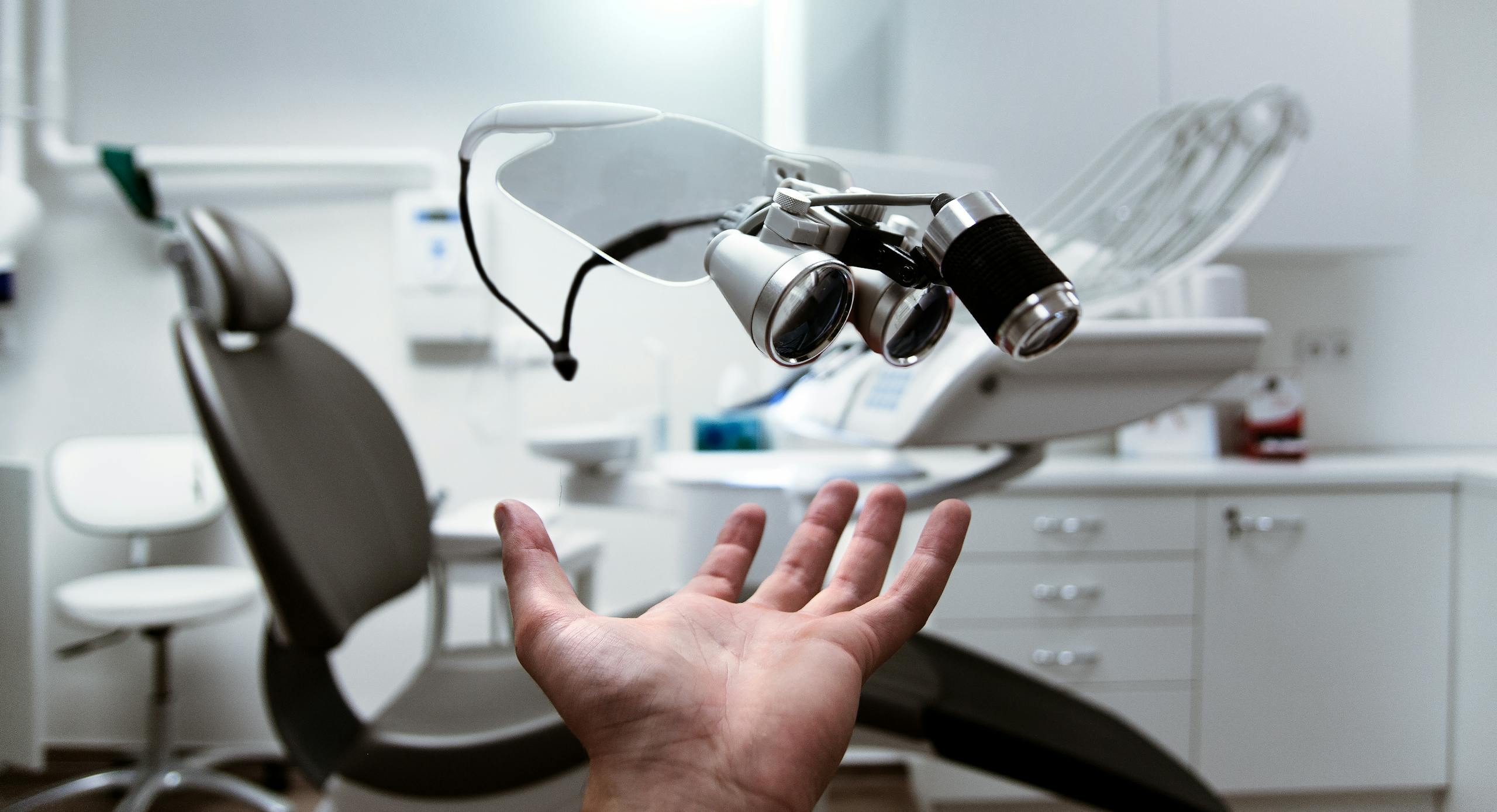
Dental Software News Today: The Dawn of a Smarter, AI-Powered Era in Dentistry 2026
In 2026, dental software isn’t just a digital filing cabinet or scheduling tool — it’s rapidly evolving into a dynamic intelligence ecosystem that reshapes clinical decision-making, practice operations, patient experience, and even dental lab collaboration. Today’s dental technology revolution blends artificial intelligence, cloud-native architecture, interoperability partnerships, real-time collaboration tools, and automation — all designed to optimize workflow and empower dental professionals to work faster, smarter, and more humanely.
This article examines the latest dental software news today, pulling in real industry developments and offering context about what these changes mean for the future of dental practice management and patient care.
🧠 1. AI Is No Longer Optional — It’s Built In
A clear trend in dental software is the seamless integration of artificial intelligence into everyday workflows—not as an add-on but as a core capability.
📌 Planmeca Romexis 7 Adds AI for Intraoral Imaging
The newly released Planmeca Romexis 7 software now includes advanced AI tools that automatically assign tooth numbers and streamline imaging workflows. This is a significant step forward because intraoral imaging is often one of the most time-consuming clinical tasks in dental care. The inclusion of AI reduces manual input and accelerates diagnostic processes.
This move reflects a broader trend where imaging intelligence is not just about capturing pictures but enhancing clinical insights and reducing administrative overhead.
📌 Intelligent Assistant Platforms: DentiMax Flow
Another recent innovation is the evolution of DentiMax’s cloud platform, Flow, into an intelligent assistant. Its smart features include an AI chat engine that allows users to query their system using natural language—asking questions about data, insurance codes, scheduling, and best practice workflows without having to navigate complex menus manually.
This type of functionality represents a shift from traditional “menu-driven” workflows to conversational, intuitive interactions between clinicians and their software — a huge boon for productivity.
☁️ 2. Cloud-Native Platforms Lead the Way
Dental practices are increasingly moving away from locally hosted servers to cloud-native practice management systems. These platforms provide unified access, real-time updates, and cross-device compatibility — essential for modern, flexible workflows.
📌 Curve Dental Recognized as a Cloud Leader
One of the most talked-about stories in the dental software landscape is Curve Dental being recognized as a cloud-native leader in the 2026 Dental Technology Landscape report. This report highlights companies that are shaping the future of dental technology by offering scalable, integrated solutions for dental practices.
Curve’s platform includes scheduling, billing, imaging, and now advanced practice intelligence, making it an all-around solution for dental teams. This success reflects the move toward fully integrated platforms that eliminate the need for multiple disconnected tools.
📌 Cloud Dental Practice Models Empower Growth
Cloud software isn’t just about convenience—it’s about growth and scalability. Practices that operate in multiple locations (especially DSOs—Dental Support Organizations) need solutions that support expansive workflows without data silos. Cloud platforms provide that backbone and allow real-time data synchronization, team collaboration, centralized billing, and cross-location analytics.
🔗 3. Interoperability and Partnerships Expand Capabilities
No software exists in a vacuum. The future of dental tech lies in connected systems that talk to each other, eliminate redundant work, and give practitioners comprehensive visibility into their operations.
📌 Open Dental and Clerri Integration
Recently, Open Dental — one of the most widely adopted practice management systems in the world — announced a new integration with the Clerri Care Membership Platform. This partnership enhances data accuracy and security between billing and membership systems, reducing time-consuming reconciliation work between multiple tools.
This type of ecosystem collaboration enables clinics to offer membership-based dental programs without adding unnecessary administrative complexity.
📌 Vyne Dental Grows Commitment to Interoperability
Another notable development is Vyne Dental’s expanded integration agreement with Open Dental aimed at improving health information exchange and operational interoperability. Interoperability is a cornerstone of efficient dental software because it reduces duplicate data entry, decreases errors, and improves billing and claims processing workflows.
💼 4. Industry Expansion and Recognition
It’s not just about product features — the dental software market itself is booming with growth, attracting investment, strategic partnerships, and industry recognition.
📌 Oryx Dental Named Top 100 Software Company
Oryx Dental, a cloud-based practice management software provider, was recently recognized as a Top 100 software company on the 2025 Inc. 5000 list thanks to explosive growth (561% 🦾 5. Real-Time Collaboration Across Teams
Dental workflows often involve co-workers, labs, specialists, and multiple parties. New collaboration tools aim to solve longstanding communication gaps.
📌 Dandy Launches Live Design Review
Dandy has rolled out a ground-breaking real-time video collaboration feature that allows dentists and lab technicians to work together on case planning in an interactive digital workspace. Traditionally, labs and clinicians would communicate via fragmented emails, phone calls, or offline meetings — now, detailed 3D visuals are shared live, ensuring accuracy before production begins.
This level of integration reduces turnaround times, improves restorative outcomes, and enhances patient satisfaction.
📊 6. Industry Trends and Studies: A Broader Perspective
To understand where dental software is heading, it helps to consider broader industry research and trends:
📌 Frazier & Deeter Study on Dental Software
A comprehensive industry study by Frazier & Deeter highlights key drivers of growth within dental software including technological advances, changing consumer expectations, and regulatory pressures. The report serves as a roadmap for practices exploring digital transformation and underscores the importance of effective software systems in improving operational efficiency and patient care.
📌 Rising Demand for AI-Powered Diagnostics and Engagement
Trend analyses — such as those produced by dental technology consultancies — emphasize the growing role of AI in diagnostic support, patient engagement, and practice analytics. Features like secure patient messaging, automated reminders, and predictive treatment insights aren’t fancy add-ons anymore — they’re fast becoming standard expectations in modern dental software.
📈 7. What All This Means for Dental Practices
Dental software news today isn’t just about flashy features — it represents a real shift in how dental practices operate. Here’s a breakdown of what these changes mean in practical terms:
🕒 Time Savings and Efficiency
AI and automation dramatically reduce administrative tasks like insurance verification, charting, appointment scheduling, and billing. Smart tools accelerate workflows, freeing clinicians to focus on patients rather than paperwork.
🧑⚕️ Better Clinical Decision-Making
AI-augmented imaging and analytics transform raw data into actionable insights. Dentists can diagnose more accurately and plan treatments more confidently — all with the support of machine-assisted intelligence.
📱 Enhanced Patient Experience
Modern dental software enables online scheduling, automated follow-ups, and interactive patient portals — improving communication and satisfaction. Patients today expect fast, digital-friendly interactions; dental software helps practices deliver that.
🔄 Seamless Connected Workflows
Integrated systems mean no more switching between platforms, manually reconciling data, or losing information during handoffs. Everything from clinical records to lab orders can be digitized and tracked effortlessly.
🧩 8. Challenges and Opportunities
Despite all the advancements, transitioning to advanced dental software isn’t without challenges:
- Learning curves for staff — New tools require training and change management.
- Data migration hurdles — Porting legacy records into cloud systems takes planning.
- Integration complexity — Even with interoperable standards, mapping systems together can be a technical lift.
Yet, for practices ready to adopt these technologies, the payoff is non-trivial: improved efficiency, higher patient retention, minimized errors, and a future-ready practice.
Here are 7 frequently asked questions (FAQs) about dental software based on today’s latest news and trends in the industry (as of February 2026). These cover recent developments in practice management systems, AI integrations, cloud solutions, and more.
1. What are the biggest new features in dental software announced recently?
Recent launches include AI Voice Perio from Planet DDS (integrated into Denticon), the first voice-powered periodontal charting system for consistent, hands-free perio data in DSOs and multi-location practices. Other highlights involve voice + radiograph AI combos (like Denti.AI Auto-Chart 2) for auto-charting and reduced clinician workload.
2. How is AI changing dental practice management software in 2026?
AI is becoming a core growth engine, powering diagnostics, voice-activated charting, automated scheduling, pathology detection in X-rays (e.g., Denti.AI Detect at affordable pricing), and workflow efficiencies. Tools from companies like Pearl, Overjet, and integrations with platforms like Oryx or Archy focus on real-time disease detection, documentation, and reducing administrative burdens while improving accuracy and preventive care.
3. What are the top trends for dental software this year?
Key 2026 trends include deeper AI/automation adoption, cloud-based systems for better interoperability, connected ecosystems (e.g., integrations for membership plans and revenue cycle management), and investments in tech to counter rising costs. Practices are prioritizing cohesive platforms that streamline operations, boost profit margins, and support scalability—especially for modern clinics focusing on efficiency and patient experience.
4. Which dental software companies or platforms have made recent news or launches?
Notable updates include Planet DDS launching AI Voice Perio, Curve Dental’s integration partnership with DentalHQ for connected membership management, Clerri’s authorized sync with Open Dental, and ongoing AI enhancements from Denti.AI (FDA-cleared tools) and Adit (all-in-one AI platforms reshaping overhead and revenue).
5. How are integrations improving dental software usability?
Integrations are a major focus, such as Open Dental syncing with tools like Clerri (for membership plans) and Vyne Dental (for revenue tech). Partnerships with cloud imaging (e.g., SOTA Cloud) and AI providers enable seamless workflows across PMS, imaging, and patient data—reducing fragmentation and supporting multi-location or DSO growth.
6. Is cloud-based dental software still the go-to choice in 2026?
Yes—cloud platforms (e.g., Dentrix Ascend, Curve Dental, Adit, Oryx) dominate for their accessibility, real-time updates, lower overhead, and easy scalability. They’re highlighted in 2026 outlooks for enabling smarter patient care, efficiency, and profitability, with features like AI automation and digital workflows.
7. How can dental practices choose the right software amid all these updates?
Look for all-in-one platforms with strong AI, voice features, integrations, and proven ROI (e.g., cost savings, better perio charting, or revenue growth). Compare options like Denticon, Open Dental integrations, Adit, or Curve based on your practice size, needs (e.g., DSO vs. solo), and focus areas like perio, imaging, or patient membership. Many emphasize measurable outcomes over buzzwords in 2026.
These reflect current industry momentum toward AI-driven, integrated, and efficient solutions. If you’d like more details on any specific software or trend, let me know!
🦷 Conclusion: A Transformative Moment for Dental Software
The dental software landscape in 2026 is defined by AI accessibility, cloud-native growth, interoperability, real-time collaboration, and patient-centric design. Innovations aren’t incremental — they’re reshaping how dental teams work every day. Whether it’s smart imaging tools that speed diagnosis or collaboration features that bring labs into the digital workflow, the technology available today sets a foundation for a more efficient, connected, and patient-focused dental future.
Stay tuned — this is just the beginning. Dental software news today reflects a broader trend in which dental technology evolves from management tools into strategic instruments that empower practitioners and redefine patient care.L
ALSO READ MORE How to Monetize Kongotech: A Complete Guide to Maximizing Your Revenue 1st time