Bin Matcha: The Ultimate Guide to Quality, Culture, and Modern Wellness 2026
In recent years, matcha has transformed from a traditional Japanese tea into a global wellness phenomenon. Among the many variations and brands circulating online, bin matcha has emerged as a keyword that sparks curiosity, discussion, and interest across health, lifestyle, and tea-lover communities. But what exactly is bin matcha? Is it a product, a quality category, a storage method, or a modern branding concept?
This in-depth article explores bin matcha from every angle—its meaning, origins, quality indicators, health benefits, preparation methods, storage practices, and its role in modern tea culture. Whether you’re a beginner or a seasoned matcha enthusiast, this guide will help you understand why bin matcha matters.
Understanding Bin Matcha
The term bin matcha is often associated with matcha that is stored, packaged, or presented in a bin or sealed container designed to preserve freshness, flavor, and nutritional value. Unlike loosely packed or poorly stored matcha, bin matcha emphasizes controlled storage, quality retention, and consistency.
In many modern contexts, bin matcha also refers to:
- Matcha sold in airtight bins or tins
- Bulk matcha stored under optimal conditions
- Premium matcha curated and preserved to avoid oxidation
While the phrase may not originate from traditional Japanese tea terminology, it has become popular in digital marketplaces, wellness blogs, and e-commerce platforms.
The Origins of Matcha and the Rise of Bin Matcha
Traditional Matcha Roots
Matcha originated in Japan over 800 years ago and has deep ties to Zen Buddhism and the Japanese tea ceremony (Chanoyu). It is made by grinding shade-grown green tea leaves (tencha) into a fine powder using stone mills.
Traditional matcha is valued for:
- Vibrant green color
- Umami-rich taste
- Smooth texture
- High antioxidant content
Modern Evolution into Bin Matcha
As global demand increased, new methods of packaging and storing matcha emerged. This is where bin matcha gained relevance. Storing matcha in bins with:
- Airtight seals
- Light protection
- Moisture control
helped suppliers maintain quality during shipping and long-term storage.
Why Storage Matters: The Core Concept of Bin Matcha
Matcha is extremely sensitive. Exposure to air, heat, light, and moisture can quickly degrade its quality. Bin matcha focuses on solving this problem.
Key Storage Benefits of Bin Matcha
- Preserves Color
Properly stored bin matcha retains its bright emerald green shade. - Maintains Flavor Profile
Umami, sweetness, and smoothness remain intact. - Protects Nutrients
Catechins, chlorophyll, and L-theanine are better preserved. - Extends Shelf Life
Bin matcha stays fresh longer compared to poorly stored alternatives.
Types of Bin Matcha Available in the Market
1. Ceremonial Grade Bin Matcha
This is the highest quality matcha, typically:
- Stone-ground
- Vibrant green
- Smooth and non-bitter
Bin matcha storage ensures ceremonial grade matcha reaches consumers without flavor loss.
2. Culinary Grade Bin Matcha
Used for:
- Lattes
- Baking
- Smoothies
Culinary bin matcha is often stored in larger bins for bulk use while maintaining freshness.
3. Organic Bin Matcha
Organic bin matcha is grown without synthetic pesticides and stored carefully to meet organic standards.
Health Benefits of Bin Matcha
Because bin matcha emphasizes freshness, its health benefits remain stronger and more reliable.
Rich in Antioxidants
Matcha contains EGCG (epigallocatechin gallate), a powerful antioxidant that supports:
- Heart health
- Skin health
- Cellular protection
Boosts Energy Without Jitters
Thanks to L-theanine, bin matcha provides:
- Calm alertness
- Sustained energy
- Improved focus
Unlike coffee, energy from bin matcha is steady and balanced.
Supports Metabolism and Weight Management
Bin matcha may help:
- Increase fat oxidation
- Support metabolic rate
- Encourage mindful consumption
Taste Profile: What Makes Bin Matcha Special?
When properly stored, bin matcha offers:
- Smooth mouthfeel
- Mild sweetness
- Rich umami
- Minimal bitterness
Poor storage leads to dull color and harsh taste, which is why bin matcha stands out.
How to Prepare Bin Matcha the Right Way
Traditional Preparation
- Sift 1–2 teaspoons of bin matcha
- Add hot water (70–80°C, not boiling)
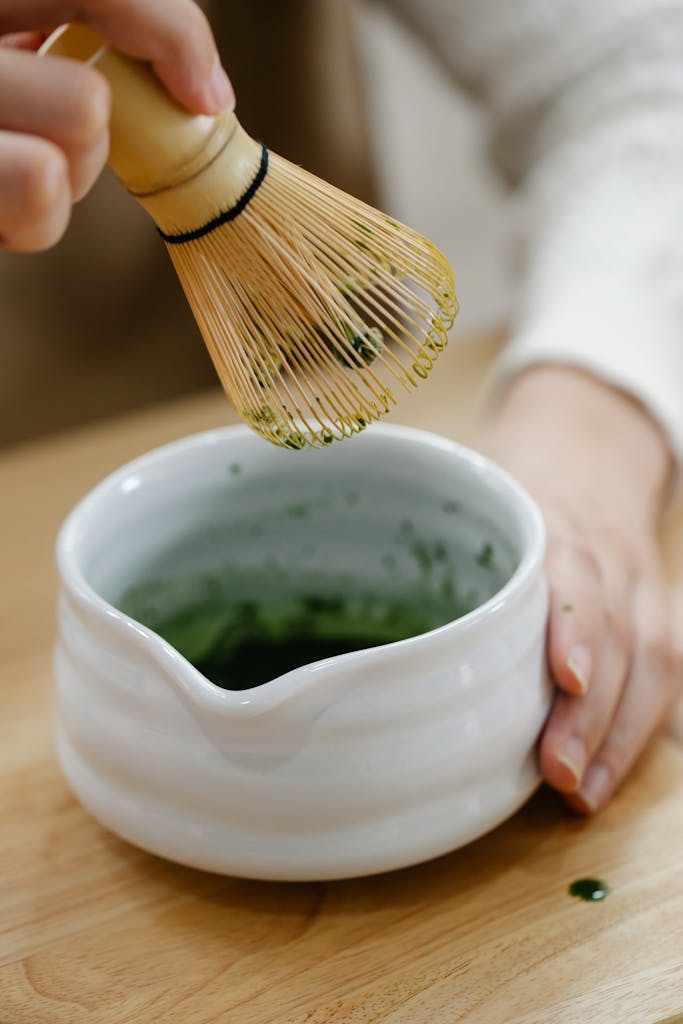
- Whisk using a bamboo chasen in a “W” motion
- Enjoy immediately
Modern Uses
Bin matcha is also popular in:
- Matcha lattes
- Iced drinks
- Protein shakes
- Desserts

Bin Matcha in Modern Wellness Culture
Bin matcha has become a symbol of:
- Clean living
- Mindful consumption
- Minimalist wellness
Influencers, athletes, and health enthusiasts prefer bin matcha for its purity and reliability.
Sustainability and Ethical Sourcing
Many bin matcha suppliers focus on:
- Sustainable farming
- Eco-friendly packaging
- Fair trade practices
Reusable bins and airtight tins reduce waste and protect the product.
How to Identify High-Quality Bin Matcha
Before purchasing, look for:
- Bright green color
- Fine, silky texture
- Fresh grassy aroma
- Airtight bin or tin packaging
Avoid dull, yellowish, or clumpy matcha.
Common Myths About Bin Matcha
Myth 1: Bin Matcha Is Low Quality
Truth: Storage method does not define quality; proper bins enhance it.
Myth 2: Bin Matcha Is Only for Bulk Buyers
Truth: Many premium brands sell small quantities in bins.
Myth 3: All Matcha Is the Same
Truth: Storage, origin, and grinding method make a huge difference.
Bin Matcha vs Regular Matcha
| Feature | Bin Matcha | Regular Matcha |
| Storage | Airtight, controlled | Often exposed |
| Freshness | High | Varies |
| Color | Vibrant green | Can fade |
| Flavor | Smooth, umami | Sometimes bitter |
The Future of Bin Matcha
As consumers become more educated, demand for properly stored matcha will grow. Bin matcha represents:
- Quality assurance
- Transparency
- Long-term freshness
It aligns perfectly with modern wellness trends and sustainable living.
What is Bin Matcha?
Bin Matcha refers to matcha (finely ground green tea powder) that has been aged, stored, or matured in controlled conditions (the word “bin” literally relates to “storage” or “binning/aging”). It typically has a mellower, less bitter, and more rounded flavor compared to very fresh matcha.
How is Bin Matcha different from regular / fresh matcha?
Fresh matcha is vibrant, grassy, slightly bitter and vegetal. Bin Matcha is aged/stored longer, resulting in a smoother, nuttier, earthier taste with reduced sharpness and sometimes subtle roasted or caramel-like notes.
Why is Bin Matcha becoming so popular in cafés in 2026?
Many people find its milder, less intense flavor more approachable (especially in lattes and desserts). It also photographs beautifully and appeals to those who found classic matcha too bitter or “grassy.”
Does Bin Matcha have the same health benefits as regular matcha?
Yes — it retains high levels of antioxidants (EGCG), L-theanine, caffeine, chlorophyll, and other nutrients. Some compounds may slightly decrease with age, but the core benefits (focus, calm energy, metabolism support, detox) remain strong.
Is Bin Matcha less healthy because it’s aged?
No. The nutritional profile stays very good. Aging mainly changes the flavor profile, not the elimination of beneficial compounds.
What does Bin Matcha taste like?
Smoother and less astringent than fresh matcha — expect earthy, nutty, slightly sweet, sometimes subtly roasted or toasty notes. It’s often described as “mature” or “rounded” rather than sharp and grassy.
Can I use Bin Matcha in lattes and iced drinks?
Yes — it’s actually preferred by many cafés for lattes because it blends smoothly with milk (dairy or plant-based) and doesn’t overpower the drink with bitterness.
Is Bin Matcha good for baking and cooking?
Excellent choice. Its mellower flavor works very well in cakes, cookies, ice cream, pancakes, smoothies, chia pudding, and energy balls — it gives a nice green color without dominating the taste.
How should I store Bin Matcha to keep it fresh?
Airtight container (preferably opaque or dark tin/canister), in a cool, dry place away from light, heat, and humidity. Many people keep it in the fridge or freezer for longer-term storage.
Does Bin Matcha expire or go bad?
It doesn’t truly “expire” quickly, but quality fades over time. Best used within 6–12 months of opening (or 1–2 years unopened if stored properly). Signs of degradation: dull color, off smell, or clumpy texture.
Is Bin Matcha more or less expensive than regular matcha?
It varies. Some aged/small-batch Bin Matcha is premium-priced. Others (especially café blends or larger brands) can be more affordable because aging can make slightly lower-grade leaves taste better.
Where does Bin Matcha usually come from?
Mostly Japan (especially Uji, Nishio, Shizuoka regions), same as high-quality ceremonial and culinary matcha. Some brands now experiment with aged Chinese or other origin matcha too.
Can beginners start with Bin Matcha instead of regular matcha?
Yes — many people recommend it for beginners exactly because it’s less bitter and more forgiving in taste, especially in lattes or sweetened drinks.
How do I prepare a basic Bin Matcha drink?
Sift 1–2 g (½–1 tsp) into a bowl, add 70–80°C (158–176°F) water, whisk briskly in “M” or “W” motion until frothy. For latte: add warm milk + optional sweetener. For usucha (thin tea) use more water; koicha (thick) use less.
Why do some people say Bin Matcha tastes “like bin juice” or old?
This is usually a joke/meme about very cheap or poorly stored matcha that has oxidized and tastes stale. True well-made Bin Matcha is intentionally aged under controlled conditions and should never taste rancid.
Is Bin Matcha the same as ceremonial, premium, or culinary grade?
No — grade (ceremonial, premium, culinary) refers to quality and leaf selection. “Bin” refers to aging/storage method. You can find ceremonial-grade Bin Matcha or culinary-grade Bin Matcha.
Where can I buy good Bin Matcha in 2026?
Specialty tea shops, Japanese tea brands (Ippodo, Marukyu Koyamaen, etc.), premium online stores, or cafés that sell their house blend. Look for brands that specifically mention “aged,” “matured,” or “bin-stored” matcha for authenticity.
Final Thoughts on Bin Matcha
Bin matcha is more than a keyword—it’s a concept that highlights quality, care, and conscious consumption. By focusing on proper storage, freshness, and preservation, bin matcha delivers a superior tea experience that honors matcha’s ancient roots while embracing modern needs.
Whether you enjoy it for health, focus, or simple pleasure, choosing bin matcha ensures you’re getting the best out of every vibrant green scoop.
ALSO READ MORE Texas Hunting Forum: The Ultimate Community for Lone Star State Hunters 2026